PHC Chet King
302.42
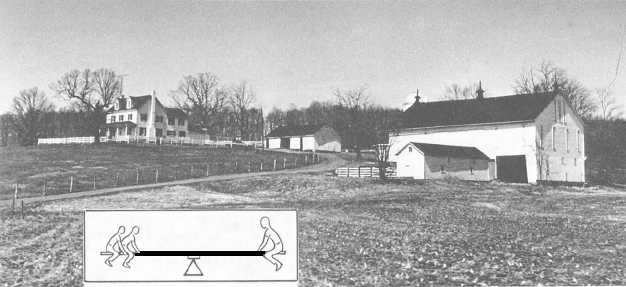
Figure 5-10.–Asymmetrical, or Informal, balance.
Asymmetrical, or Informal, Balance
Asymmetrical, or informal, balance is usually much
more interesting than symmetrical balance. In
asymmetrical balance the imaginary central pivot point
is still presumed to be present; however, instead of
mirror images on each side of the picture area, the
subject elements are notably different in size, shape,
weight, tone, and placement. Balance is established by
equalizing the element forces in spite of their
differences.
Asymmetrical balance is introduced when the
presumed weight of two or more lighter objects is
equalized by a single heavier object placed on the other
side of the imaginary pivot point (fig. 5-10).
Asymmetrical balance is more difficult to achieve than
symmetrical balance, because of the problem of
establishing relative weight values for dissimilar
elements within the picture area as well as presenting
some form of stability.
Aspects of Balance
There are many other factors to consider in order to
make pictures appear balanced. Some of these are as
follows:
An object far from the center of the picture seems
to have more weight than one near the center.
Objects in the upperpart of a picture seem heavier
than objects of the same size in the lower part of a
picture.
Isolation seems to increase the weight of an
object.
Intensely interesting objects seem to have more
compositional weight.
Regular shapes seem to have more weight than
irregular shapes.
Elements on the right side of an asymmetrical
picture appear to have more weight than elements of the
same size on the left side of the picture.
The directions in which figures, lines, and shapes
appear to be moving within the picture area are
important to balance; for example, a person may be
walking in a direction, or his eyes may be looking in a
direction, or the shape of some element creates a feeling
of movement. When the feeling of direction is present
within a scene, it tends to upset the balance if judged on
the size of the subject alone.
Understanding the factors required to create
pictorial balance is essential for you to produce good
pictures. To gain this understanding, you can continually
test your feelings for balance as you look through your
camera viewfinder. Once you gain an understanding of
the principles of pictorial balance, achieving balance in
your photographs becomes an easy process.
5-12